
Imagine this: Sarah owns a cozy coffee shop in a bustling neighborhood. Despite serving the best lattes and offering free Wi-Fi, her business is struggling to attract local customers. She’s noticed that more people are finding her competitors nearby, while her shop remains somewhat hidden, even though it’s only a block away. She’s frustrated. Why aren’t more people visiting her shop? It turns out that Sarah is missing a key ingredient to her business’s success—local SEO.
If you’re a small business owner like Sarah, you’ve probably felt the same frustration. You offer a great product or service, but your potential customers can’t find you online. In today’s digital age, local search visibility is crucial for driving foot traffic, generating leads, and increasing revenue. The good news is, with a few simple yet effective local SEO practices, you can boost your business’s online presence and get noticed by local customers.
Why Local SEO Matters for Small Businesses
Local SEO isn’t just about getting your business listed in search engines; it’s about improving your visibility to people who are actively searching for products or services you offer, specifically in your local area. According to Google, 46% of all searches have local intent, meaning nearly half of online searches are looking for businesses nearby. Additionally, BrightLocal’s 2020 Local Consumer Review Survey found that 87% of consumers read online reviews for local businesses, which means your reputation online is more important than ever.
When small businesses prioritize local SEO, they can attract more customers who are already looking for what they offer in their community. The challenge is knowing how to implement local SEO best practices effectively. Below are actionable steps you can take to grow your small business with local SEO.
1. Optimize Your Google My Business (GMB) Profile
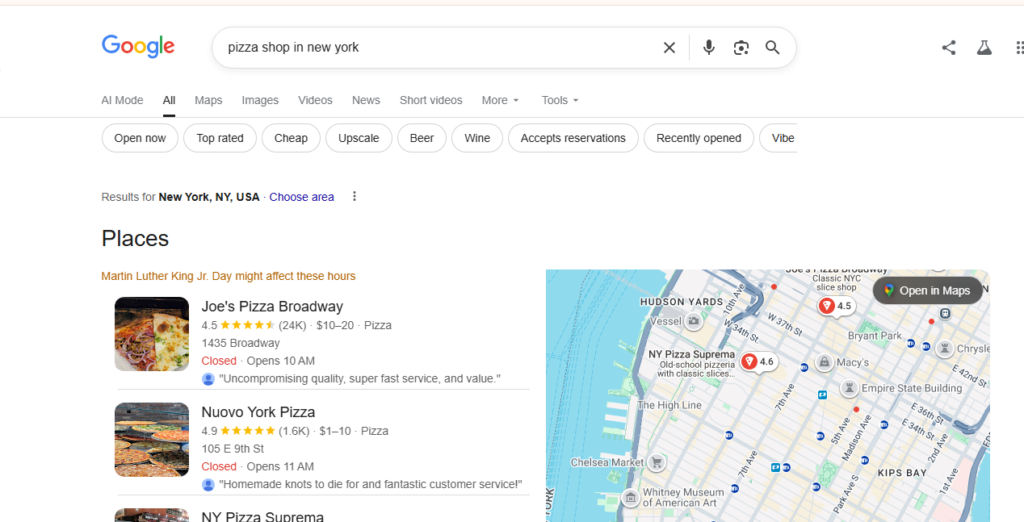
If you haven’t already, claim and optimize your Google My Business (GMB) profile. Your GMB listing is one of the most important tools for local SEO. When potential customers search for businesses like yours, Google pulls information from your GMB profile to show in the local search results. Here are a few steps to optimize your profile:
- Fill out all the information: Ensure your business name, address, phone number, and website (NAP) are accurate. Inconsistent NAP information across the web can hurt your local SEO rankings.
- Add high-quality photos: Customers are more likely to engage with businesses that have photos showcasing their products or services.
- Encourage reviews: Positive reviews not only improve your reputation but also increase your chances of appearing in Google’s local pack (the top three results in local search).
2. Focus on Local Keywords
To appear in local search results, you need to target keywords that reflect your geographical location. For example, instead of just targeting “coffee shop,” target “coffee shop in [Your City].” Tools like Moz and Google Keyword Planner can help you find local keywords that are relevant to your business.
Incorporate these local keywords naturally into your website content, blog posts, and product/service descriptions. This will help Google understand your business’s location and the services you provide, boosting your chances of showing up in local searches.
3. Ensure Your Website is Mobile-Friendly
More and more people are using their mobile devices to search for local businesses. In fact, Google reports that “near me” searches have increased by 150% over the past few years. A mobile-friendly website ensures that potential customers can easily browse your site, find the information they need, and contact you on the go.
Make sure your website is responsive, meaning it adjusts to any screen size, and that it loads quickly. Page speed is another ranking factor for local SEO, so avoid slow-loading pages that could frustrate users.
4. Build Local Citations
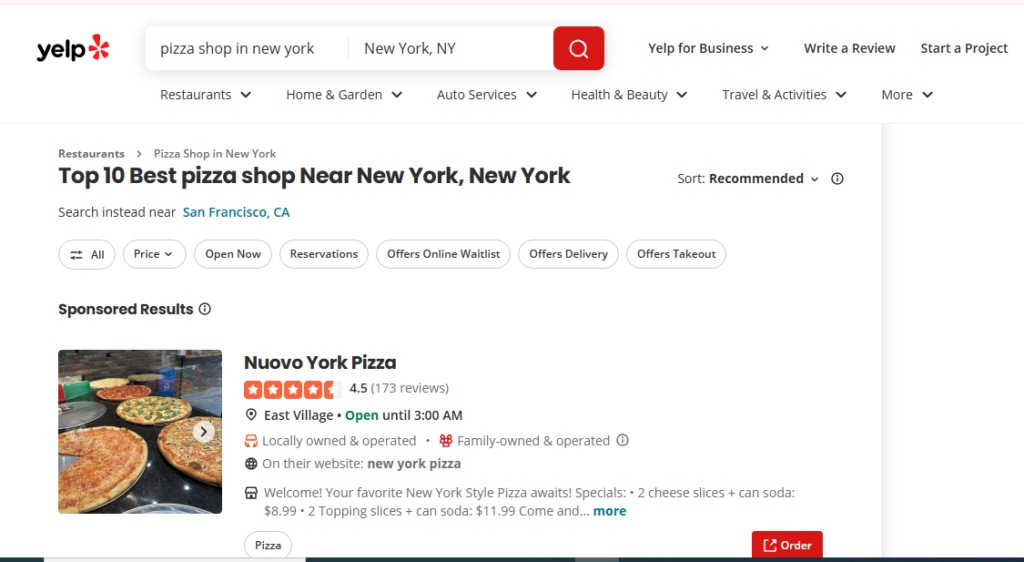
A citation is any mention of your business online, whether it’s on a directory, review site, or blog. These citations help search engines verify the accuracy of your business information and improve your local rankings. Start by submitting your business to local directories such as Yelp, YellowPages, and other niche industry directories.
Be consistent with your business name, address, and phone number (NAP) across all platforms. Inconsistent data can confuse search engines and hurt your rankings.
5. Create Local Content and Engage with Your Community
Creating content that is relevant to your local community is a great way to increase local visibility. Write blog posts about local events, partnerships, or industry news that directly impacts your community. For instance, if you’re a bakery in New York, write about local food festivals or collaborations with nearby restaurants.
Engaging with your community also means being active on social media platforms. Share local stories, customer testimonials, and behind-the-scenes content. Interacting with your followers and participating in local online conversations builds your brand’s authority and shows search engines that you’re relevant in your area.
6. Optimize for Voice Search
As voice assistants like Siri and Alexa become more popular, voice search is increasingly becoming a key part of local SEO. People tend to use conversational phrases when searching via voice, such as “Where is the nearest [business type]?” or “Best [service] in [city name].”
To optimize for voice search, focus on natural language and long-tail keywords. Think about the types of questions your potential customers might ask and incorporate them into your content.
How Ashik Rank Can Help Your Small Business
At Ashik Rank, we specialize in helping small businesses like yours solve local SEO challenges. Our proven strategies have helped many small business owners improve their local rankings, attract more website visitors, and increase their lead generation. Whether it’s optimizing your Google My Business listing or building local citations, we’ve got you covered.
Conclusion
Local SEO is a powerful tool for small businesses looking to grow and thrive in their communities. By optimizing your Google My Business profile, targeting local keywords, ensuring a mobile-friendly website, and engaging with your local community, you can significantly improve your visibility and attract more local customers.
Are you ready to take your local SEO strategy to the next level and drive more customers to your business?